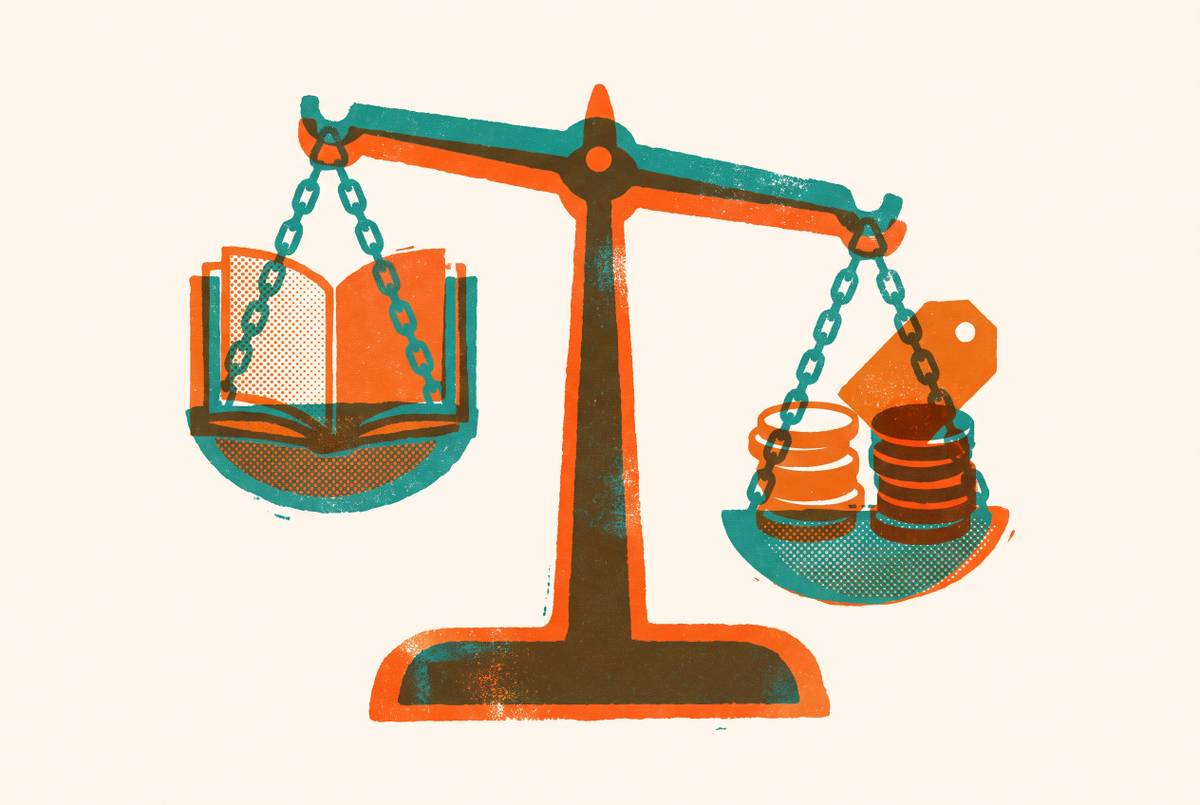
AP Computer Science Principles vs AP Computer Science A Prep Differences
CSP tests breadth and projects; CSA demands Java fluency and speed.
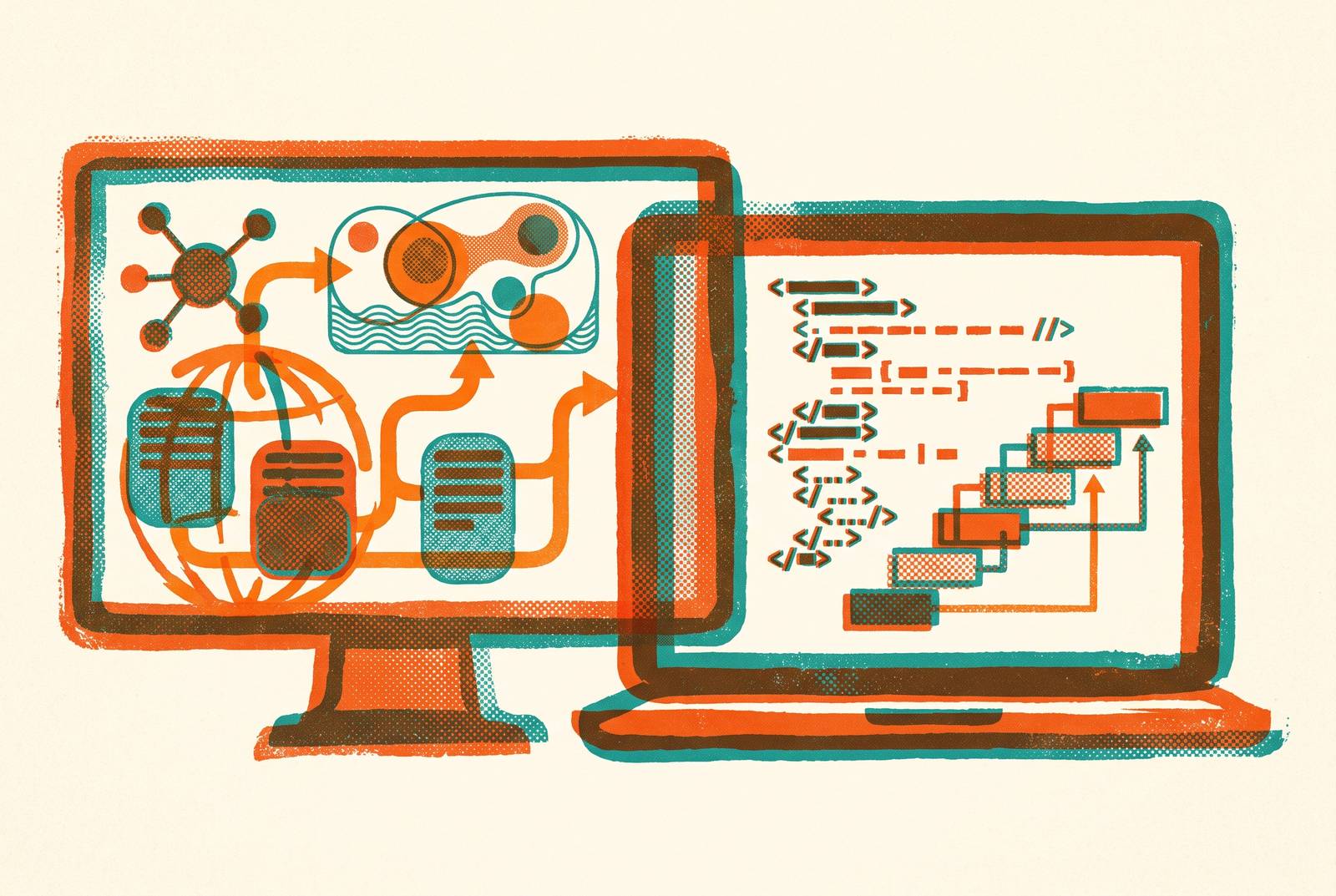
AP Computer Science Principles and AP Computer Science A sound like siblings. A student who studies for both as if they're the same subject with different names will walk into one of them, or both of them, underprepared.
CSP exists to widen the door into computer science. Its job is conceptual literacy: how the internet works, how data moves, how computing shapes the world outside the classroom, not whether a student can produce working code in a specific language. When the course launched in 2016, one of its explicit goals was exposing more high school students to computer science and its effects on society, a goal built around staying language-agnostic rather than chasing syntax depth.
CSA runs on entirely different rails. It is a programming course, and nothing softens that description.
Neither course is simply the "easy" or "hard" version of the other. They reward different kinds of thinking. Every strategy that follows, what to study, how to practice, how to measure progress, has to be built separately for each one.
How CSP's exam structure shapes what students have to prepare
CSP's exam structure is built for breadth, and that structure dictates almost everything about how to prepare for it. The current assessment has two linked components that together decide the final score. The end-of-course digital exam, delivered through Bluebook, carries 70 multiple-choice questions and makes up the majority of the score. Running alongside it is the Create Performance Task, a through-course project worth 30% of the total.
No specific programming language appears on the written exam. Algorithmic questions run on pseudocode and flowcharts instead, so a student who spends hours drilling Python syntax or memorizing Java method signatures for CSP is largely practicing for a test that doesn't exist. The multiple-choice section ranges across algorithms, data, internet systems, and the societal impact of computing, and real prep has to move across that same range rather than camping out in one comfortable topic.
It's a project a student builds over months, submits ahead of the exam, and then answers written response questions about once testing day arrives. The Personalized Project Reference has to be submitted as final in the AP Digital Portfolio by April 30, 2026, at 11:59 PM ET, which makes that date a hard deadline rather than a soft suggestion. Students need to treat spring break as crunch time, not the final exam week. Waiting until the weeks before the written exam to think about the project means arriving at that deadline with nothing finished, and the 30% of the score tied to it is not something a last-minute cram session can recover.
How CSA's exam structure creates a completely different set of prep demands
CSA takes a different approach: it puts students in front of actual Java code and asks them to write it, trace it, and debug it, which makes language fluency the real bottleneck rather than conceptual range. The exam is fully digital and split into two sections. Section I holds 42 multiple-choice questions covering Java knowledge, object-oriented concepts, and programming best practices. Section II asks for four free-response questions, and students type their Java code directly on screen.
That digital format is itself a prep variable, not a footnote. A student who writes code comfortably by hand but types slowly, or who finds entering Java syntax awkward on a keyboard under time pressure, needs dedicated practice adjusting to that format specifically. Paper practice sets, however well-designed, don't replicate the actual test-day experience anymore.
Curriculum alignment adds another layer of risk. The 2025-26 CSA course has specific content changes to track closely. FRQ 3 is now ArrayList-only in format, a narrowing from prior years. Any prep material that isn't explicitly labeled for the current Course and Exam Description runs the risk of teaching content that won't appear on the exam, or skipping content that will. A student working from an outdated FRQ 3 practice set is training for a question type that no longer matches the real one.
Nothing in CSP mirrors the challenge the free-response section creates for CSA. Students have to produce Java that is syntactically correct and logically sound, under a clock, with no reference material to lean on. That's a different muscle than reasoning through multiple-choice questions about internet protocols, and it needs its own dedicated repetitions to build.
What the 2025 score distributions reveal about where each exam is hard
It's tempting to assume CSP is simply the easier exam and CSA the harder one.
CSP's 2025 results show a pass rate just above three in five among a large pool of test-takers, with a mean score just below 3. The distribution is roughly bell-shaped, clustering around the minimum passing score. CSA's 2025 results tell a different kind of story. The overall pass rate comes in higher than CSP's, but the distribution is bimodal rather than bell-shaped: a notable share of students land a 5, and a notable share land a 1.
That bimodal shape reflects who's sitting for the exam. Students who arrive with prior Java or programming experience tend to find the material manageable, while students without that background struggle significantly more. In other words, CSA doesn't have one difficulty level. It has two populations experiencing two different exams. For prep purposes, that means the ceiling is reachable for students with the right technical foundation already in place, but the floor sits lower than anything CSP produces. A CSA student without programming background faces a cliff, not a modestly harder version of CSP. They're facing a cliff.
The stakes attached to each score differ too. CSA scores of 3 or higher unlock credit at a wider range of schools than equivalent CSP scores, and selective computer science programs frequently require a 4 or 5 specifically for CSA credit to count. What matters is which exam's failure mode a given student is at risk of, and whether their target schools even care about the score the way they'd assume.
Different Diagnostic Approaches for Each Course's Knowledge Gaps
CSP and CSA don't just test different things. They produce different shapes of failure. A diagnostic approach that works for spotting weaknesses in one will miss the weaknesses in the other entirely.
CSA's gaps are specific and traceable to discrete mechanics. The content breakdown assigns defined weight to basic programming, data structures, object-oriented programming, iteration, algorithms, and software engineering practices. Spotting that requires question-level data about exactly where answers go wrong, not just a total score that averages everything together. One approach behind APCSExamPrep.com involved tracing exactly where students get tripped up on exam day, analyzing which specific answer choices students pick so a wrong answer points directly to the concept that needs reteaching.
CSP's gap profile runs wider and shallower. No single sub-domain dominates the way Java mechanics dominate CSA, so a student can feel generally comfortable with the material and still be unprepared for the sheer range of ground the multiple-choice section covers. On top of that, the performance task introduces a kind of gap that written-question diagnostics can't even see: a student might understand their own project conceptually but still struggle to explain their code clearly when asked about it on exam day.
Generic test-prep platforms that don't account for these different gap structures end up failing students in both directions. They over-drill language specifics for CSP students who don't need them, and they hand CSA students vague, untargeted feedback on Java errors that actually need precise correction. Knowing a gap exists doesn't tell a teacher what to do about it, which is the next problem to solve.
AI-Powered Practice and Grading Tools for Each Exam's Demands
The tools that actually help are the ones built around each exam's specific structure, adaptive platforms that diagnose real gaps and tie feedback to official rubrics, rather than generic problem banks that treat CSP and CSA as interchangeable. AI grading tools have emerged specifically to handle the FRQ burden in CSA and the written-response component in CSP. For CSA, format-accurate digital practice isn't a nice-to-have anymore. Since the exam is fully digital, practicing that way is baseline preparation. A student who drills Java problems on paper and only switches to a keyboard on test day is introducing a real performance risk, since typing speed and on-screen syntax entry both take separate, deliberate practice to get comfortable with.
CS++ grades a class of 30 AP CSA or CSP free-response questions in about 90 seconds, aligned to the 2025-26 College Board CED rubric, with every score editable by the teacher afterward, and it's available at classroom plan pricing across Class, Department, and District tiers. The design treats AI grading as a first pass meant for teacher review rather than a final authority, so the teacher keeps control of every score that goes in the gradebook. Adaptive tutoring tools more broadly, ones that diagnose a student's strengths and weaknesses, generate format-accurate practice questions, and score free responses against the actual AP rubric, represent where specialized AP prep is headed, with AP Exam Tutor AI cited as one example of that direction.
Passionfruit fits into this same landscape as a tool purpose-built for targeted AP and SAT prep. Its grading and practice system is designed to go past marking an answer right or wrong, aiming instead to identify where a student's understanding actually breaks down, which is the diagnostic function both CSA and CSP need, just aimed at different targets. For a CSA student, that means pinpointing the specific Java mechanic or object-oriented concept behind a wrong answer, instead of just flagging the free-response question as incorrect and moving on. For a CSP student, it means tracking conceptual understanding across a wide spread of domains and finding the gaps in areas like data analysis or internet systems that a student might not think to review on their own.
Teachers face their own version of this bottleneck, since frequent FRQ practice is hard to sustain when every submission needs manual grading. Tools built to reduce that load include free class codes and gradebooks like the one APCSExamPrep.com offers, where students join with just a name and a PIN, no email required, and scores populate automatically in the teacher's view. The common thread across all of these tools is the same one running through the rest of this piece: CSP and CSA need different kinds of feedback, and the tools that help are the ones built to tell the difference.
Deciding Which Course to Take, and Whether to Take Both
Choosing between CSP and CSA comes down to three things: where a student's skills currently stand, what their academic goals look like, and how much time they realistically have before exam day. The structure of each exam, laid out across everything above, gives fairly clear signals about which students are likely to succeed in each without needing heavy remediation.
CSP makes sense as a starting point for students with no prior programming experience. It also suits students who want a broad introduction to computing's effect on society before committing to technical depth, and students aiming toward fields like data science, cybersecurity, or digital policy, where conceptual CS literacy matters as much as any specific technical skill.
CSA is the better fit for students planning to major in computer science or software engineering, since the course builds exactly the Java fluency those majors assume incoming students already have. It also suits students who already have some programming exposure and want to sharpen that into real fluency, and students aiming to maximize college credit at selective CS programs, where scores of 4 or 5 unlock credit at hundreds of schools.
Taking both isn't unreasonable, but it isn't free either. Given everything the score distributions and exam structures reveal, a student taking both should expect two genuinely separate prep tracks: one built around breadth and project management for CSP, one built around Java fluency and digital free-response practice for CSA. Treating them as a single combined study plan is exactly the mistake this whole comparison has been warning against from the start.
Sources
- AP Computer Science Principles vs AP Computer Science A: What’s the difference? - Areteem Institute Blog
- AP Computer Science Principles VS AP Computer Science A
- AP Computer Science A vs Principles: What’s the Difference?
- AP Computer Science A Score Calculator 2026
- AP Computer Science Principles
- AP CSP vs AP CSA: Which Should You Take First? - Modern Age Coders
- AP Computer Science
- AP Comp Sci A vs Principles: Which one should I choose?